

What Is Eco-Psychology
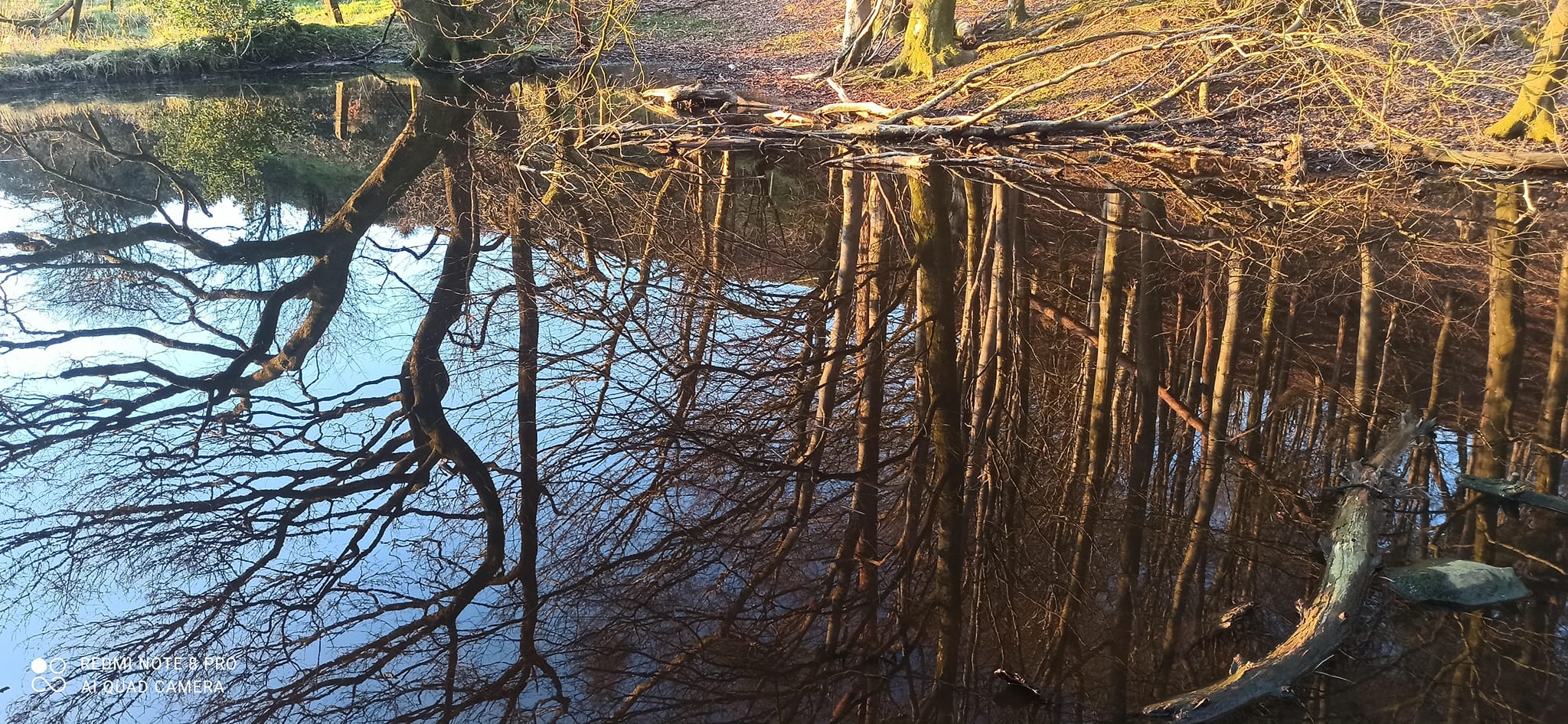
With the term ‘eco-psychology’ we refer to a field of study that investigates the relationships between human beings and the natural world, by focusing on the interconnections between psychology and ecology.
Let’s give a little bit of background here: as for psychology, with the term psyché (which comes from Greek) we mean ‘soul’, but this term has peculiar connotations in eco-therapeutic work, which we will see; the term logos (discourse, study), instead, designates the study of ‘soul’ – and the same connotation as above applies here.
As for ecology, it also derives from a Greek word (oikos), which means ‘home’ or also ‘environment’; combined with logos, the term refers to the scientific analysis of the interactions between organisms and their environment:
so, ecology is, literally, the study of our “common home”.
If we combine the two, then, we have the study of our individual ‘soul’ (intended as a “psycho-spiritual niche” – see below) within the context of our “common home”.
It may seem complicated, and it can be, but it’s easy at once – even though, granted, this may well be the journey of a lifetime.
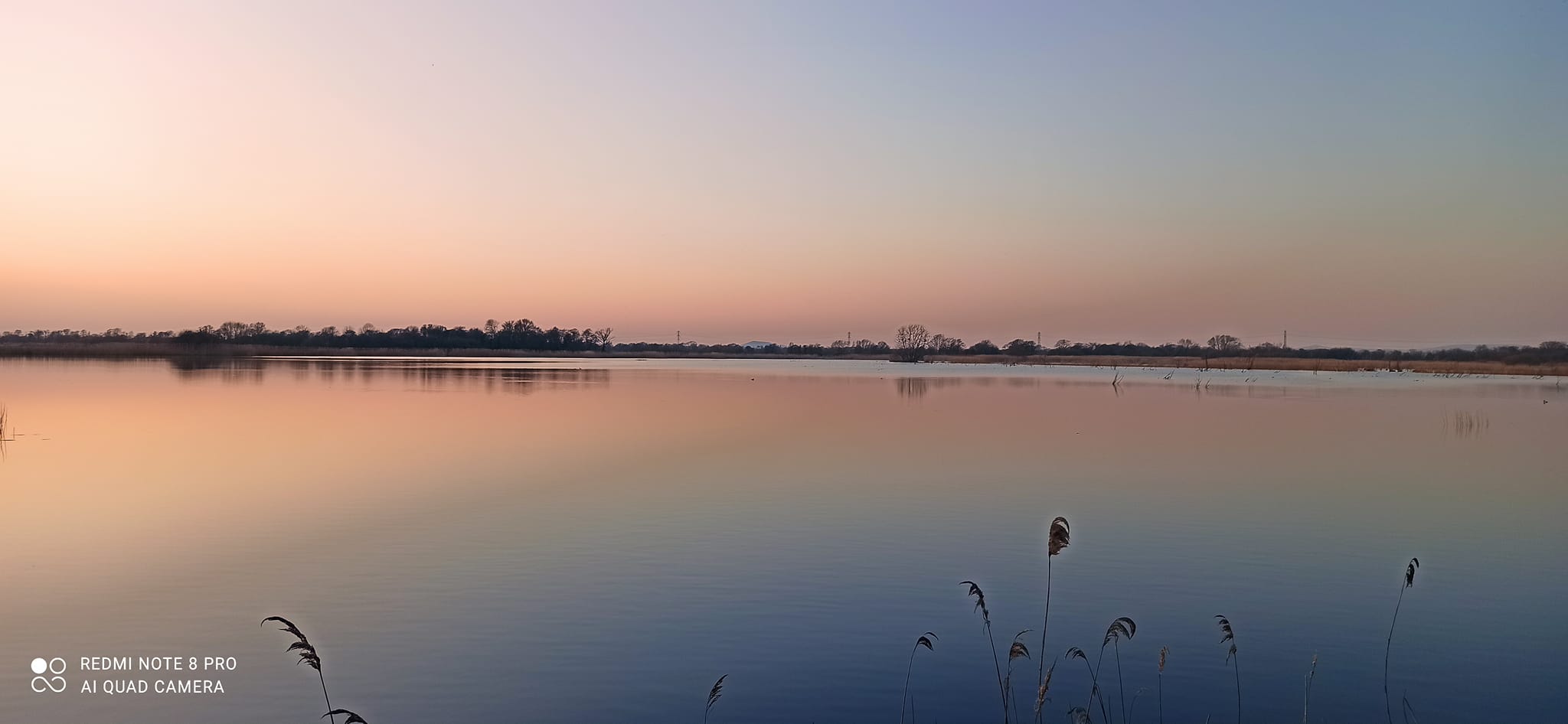
It is difficult to retrace the exact origins of eco-psychology, given that it seems to have been present, in one form or another, and with different manifestations, in all ancient cultures and native traditions.
Wanting to outline a brief overview, however, we could start with Aristotle, who referred to the concept of –philia (one of the ancient Greek forms of love), intended as love for all that is living, and as reciprocity, from which, many centuries later, we get to the concept of biophilia, as first formulated by Erich Fromm (1954), and then expanded by Edward Wilson, who (in the 1980s) developed it as a psychological orientation of attraction towards all that is alive and vital.
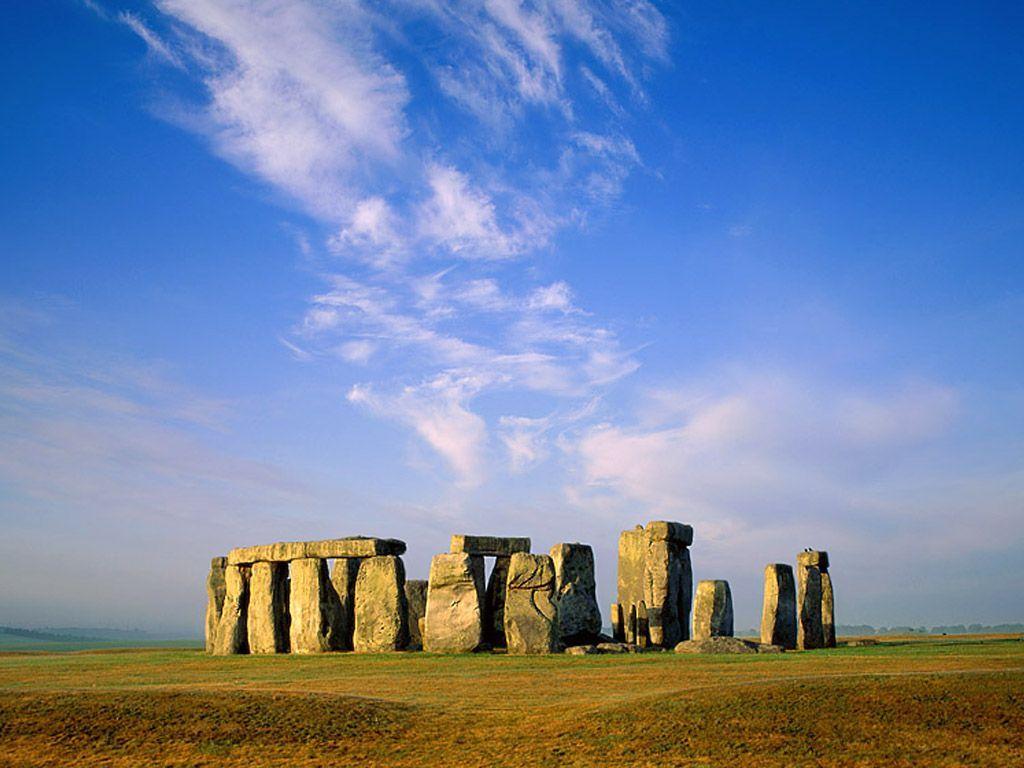
Sometime later (in the 1990s), the Deep Ecology movement elaborated on these insights further, together with the concept of an Ecological Self (as developed by Arne Næss).
Other movements that influenced what today we would call eco-psychology include ecofeminism, plus several approaches that were developed by individual movements, mainly in America from the 1980s onwards, such as those initiated by Bill Plotkin, Thomas Berry, Joanna Macy, and what she called the “work that reconnects”.
All these were to be featured and further elaborated by Andy Fisher in his seminal work, Radical Ecopsychology.
The holistic movements (aka ‘holism’ o ‘wholism’), which sprouted like mushrooms in the 1980s onwards (especially in Califorinia, but not exclusively), have also played a big part in furthering the cause of eco-psychology.
In any holistic movement, one of the overarching assumptions is that
“individual and systems are always more than the sum of their parts”.
Of course, a very important background for eco-psychology – still to this day – are also the shamanic and esoteric approaches to the natural world, which have always been part and parcel of the native traditions, in all parts of the world (including Europe).
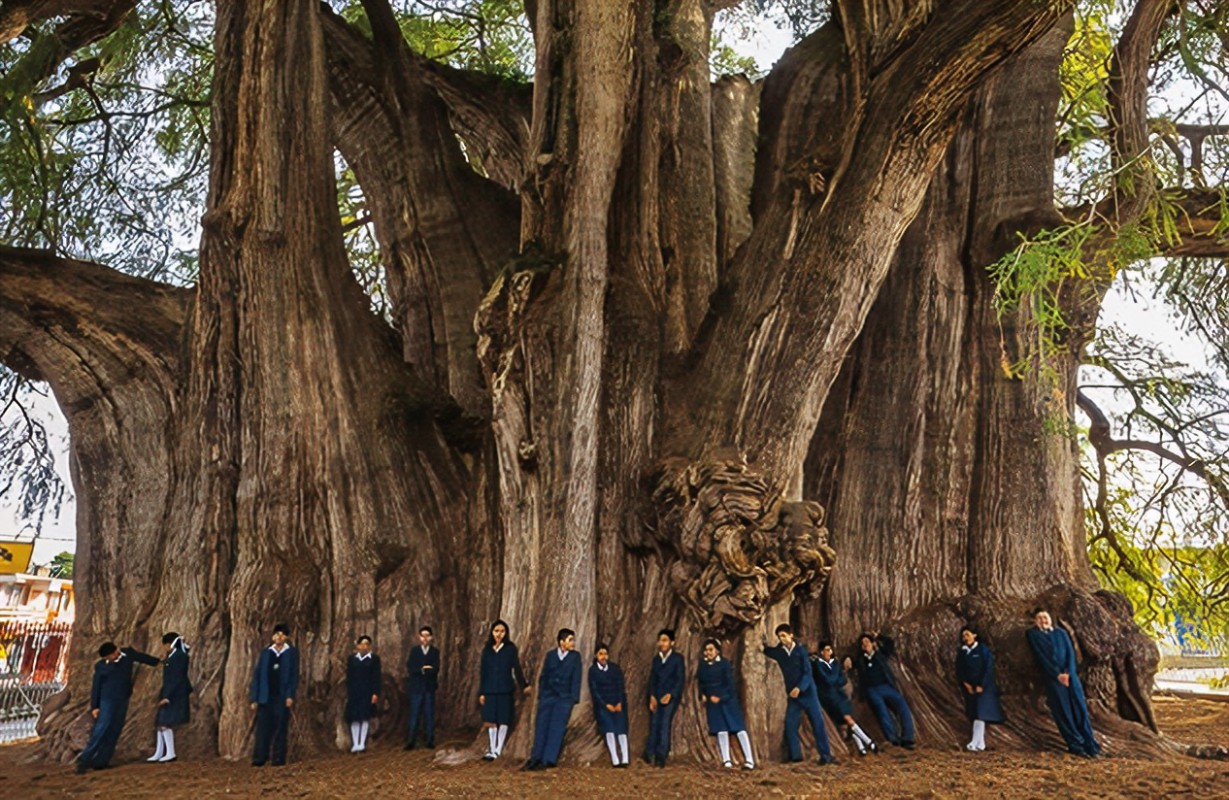
In alchemy (one of the foremost native European traditions, which I am actively researching, and integrating as part of my work), the holistic dictum is translated as “as above, so below”, to state the fundamental equanimity, relatedness, and connectedness of all things.
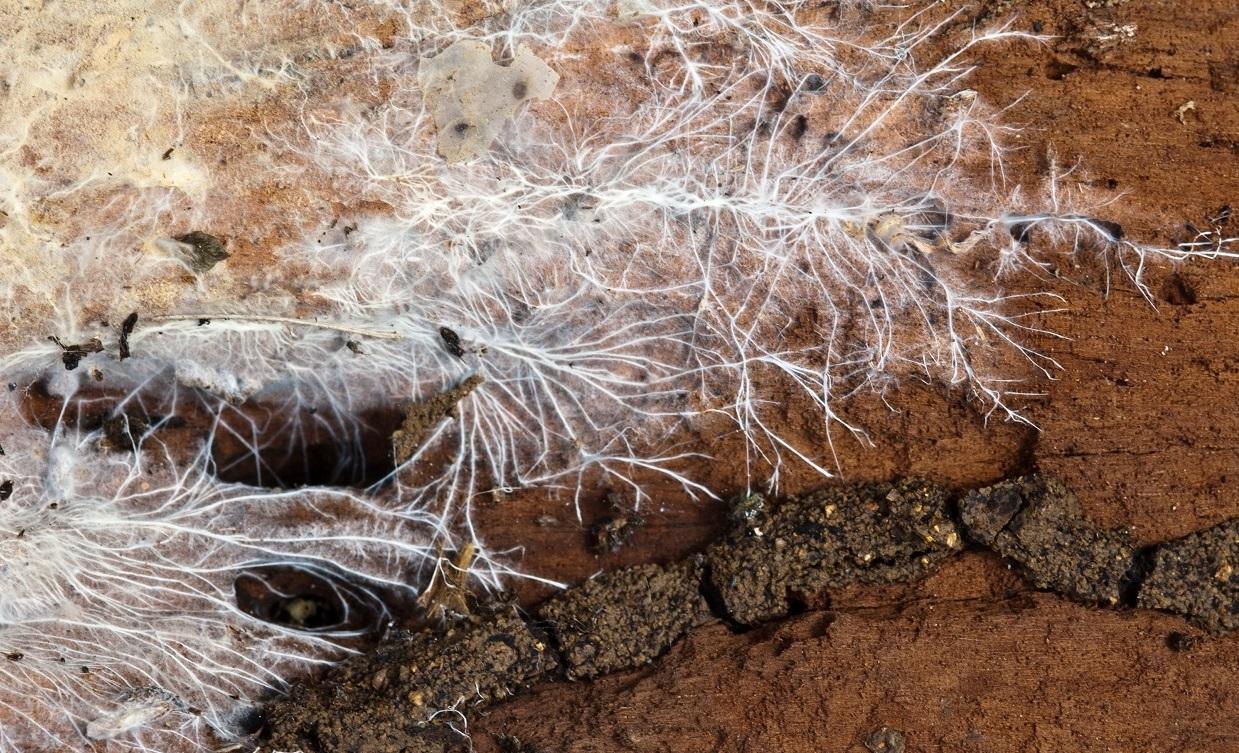
Amongst the examples and images of “holonic systems” in nature, one can count the fungal mycelia, nervous systems, and galaxies. These are all examples of networks of interconnection.
The overlapping of psychology and ecology opens such a wide domain to seem limitless; however, in the recent history of eco-psychology, one can identify three main phases, or ‘waves’.
The “first wave” is sometimes referred to as the «Roszak era»: this first phase was rather intellectual, but also revolutionary in its approach.
The two books by Theodor Roszak that reflect this moment in the history of eco-psychology, are: The voice of the Earth (1992) and Ecopsychology (written together with Mary Gomes and Allen Kanner, 1995).
The “second wave” is connected to the Ecopsychology Journal magazine and the development of an international network, as can be appreciated for instance in the creation of an International Ecopsychology Society and an International Community for Ecopsychology (see links).
The “third wave” is the one which we are still currently in, with a new generation of eco-psychologists who honour the counter-cultural origins of eco-psychology, without being limited by them.
Such development is clarified by the positions expressed by Andy Fisher in his book Radical Ecopsychology (2002),
and later publications.
The current developments of eco-psychology revolve mainly around three dimensions: psyche, nature, and society (which, however, are connected and inevitably, to an extent, overlapping).
Each of these positions can be epitomised by a figure of reference.
For the psyche aspect, we can look at James Hillman, who, by reviewing and deepening Jung’s ideas on depth psychology, and by creating an approach based on archetypal psychology, has revived the concept of anima mundi (or “soul of the world”), by that meaning that everything living in the world is literally ‘ensouled’ (or animated).
As for the nature aspect, the perhaps obvious figure of reference would be Bill Plotkin who, with seminal publications such as Soulcraft and Wild Mind, has reintroduced an altogether different take on the natural world, both in respect to psychology and within a wider existential framework of man’s place within creation.
The original maps of the psyche proposed by Bill Plotkin are rather complex: they include, in fact, both an intra-personal and an inter-personal map of the Self.
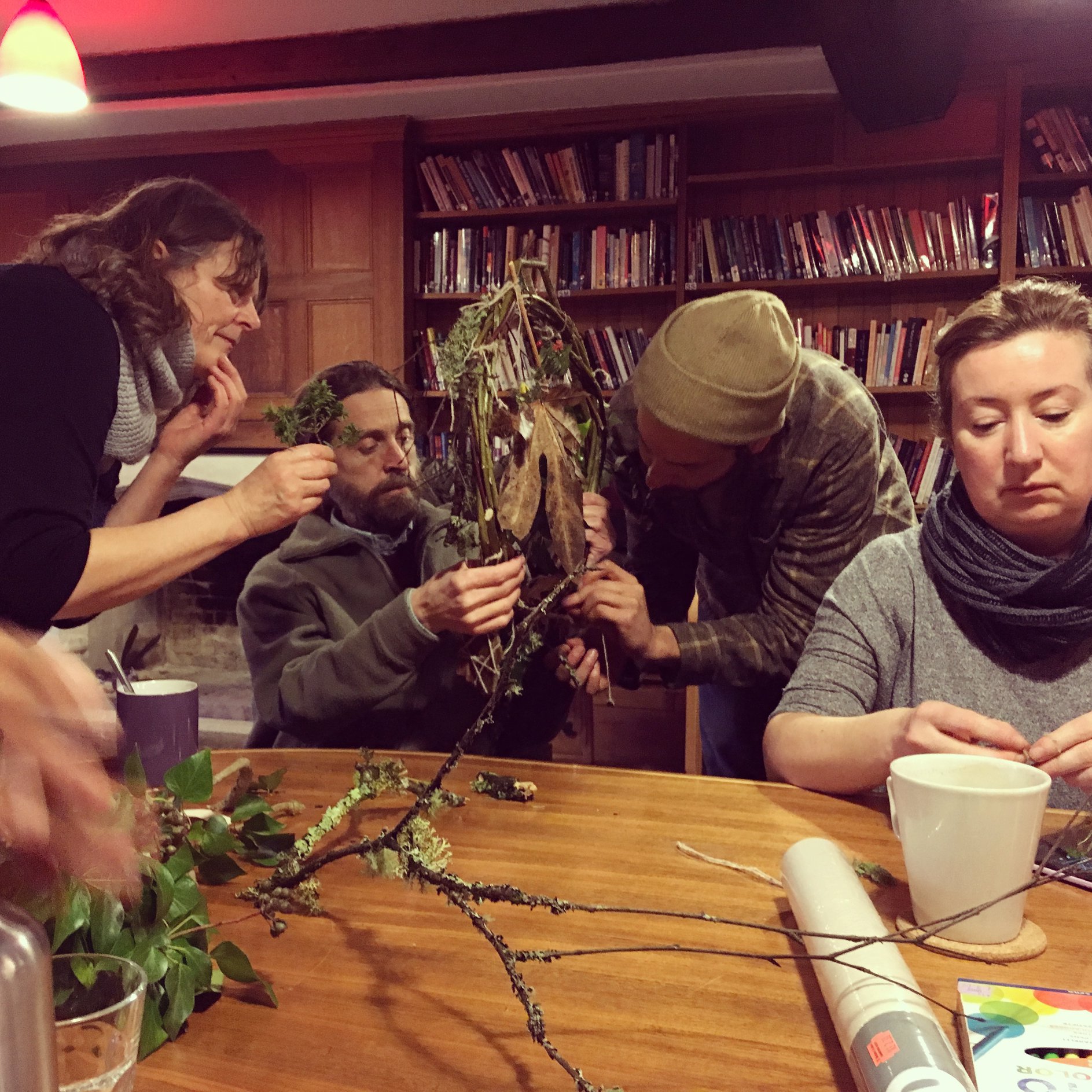
These two maps are to be intended as tools to work both on facets of ‘wholeness’ of the Self, as well as on the subpersonalities. The concept of “psycho-spiritual niche”, formulated by Plotkin and placed at the core of his work, which he describes as “the place in the greater web of life that we were born to occupy” is also a tenet of eco-psychology.
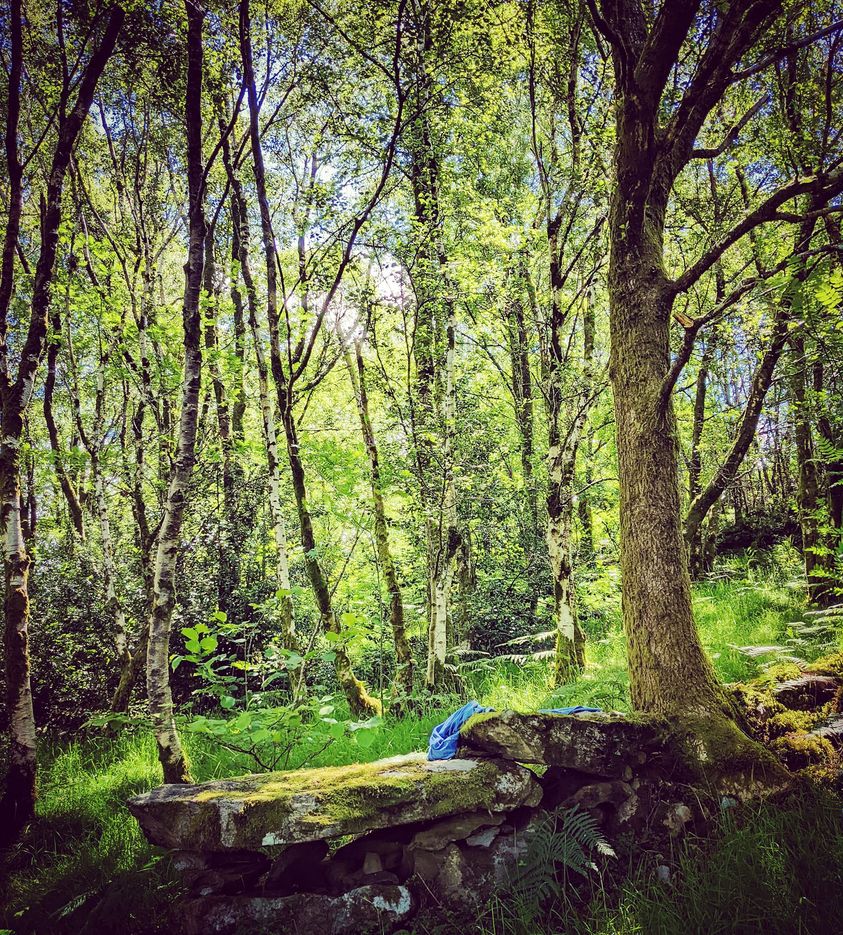
Pictures by © Caroline Schofield

As for the latest aspect, society (but as anticipated, the three dimensions are to an extent all interconnected, and somewhat overlapping), the obvious place to look at is the work of Andy Fisher, who, in his Radical Ecopsychology (2002), proposes four essential tasks for eco-psychology: a psychological, practical, philosophical, and critical task. He also promoted an eco-psychology of memory, which he termed recollective, as well as highlighting the lack of a social dimension to eco-psychology.
These tasks were intended as pointers to the direction that, in Fisher’s view, eco-psychological work should take in the future.
The principles of eco-psychology can also be found in many spiritual traditions and within native cultures, including European ones (such as druidism, for instance, or Celtic spirituality.
But not exclusively, as esoteric and initiate traditions, in all cultures, always presuppose the unity of “the all” (suffice it to look at Sufism and the kabbalah, but also alchemy – as an authentically European lineage –
posits the dictum “the one, the all” as one of its main tenets).
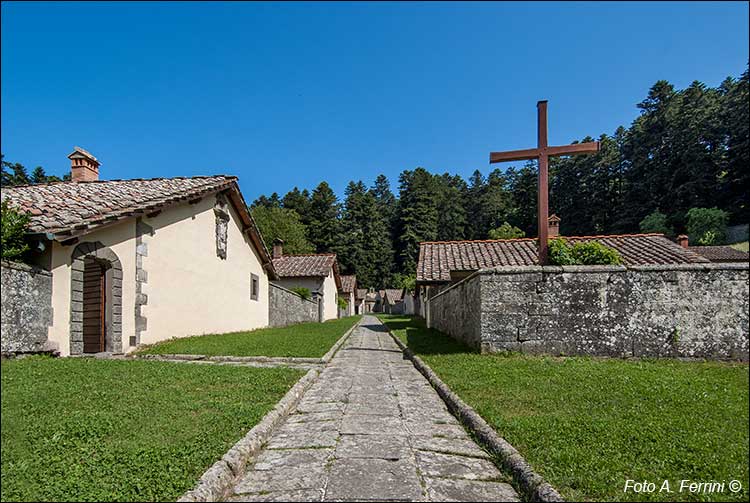
Within Christianity, the Franciscans behold a panentheistic vision of creation; in the same way, one could consider the Camaldoli friars and the Carthusian movement as budding eco-psychologic spiritual movements in their own right.
In Buddhism, one finds the principle of “unity of man and environment” and the Zen school.
In Shinto, there is a strong sacralization of the natural world, as well as a cult of the ancestors.
The “medicine wheel” (which can be found in several native cultures) can be applied to the alchemical tradition too and refers to the use of colour for the different stages of the work (opus).
In that respect, I am currently developing my own working model, which specifically applies alchemy to eco-psychology.
The four main alchemical colours are white, yellow, red, black.
As for these colours, they are the same that appear in medicine wheels around the world. White is generally connected to air, the mental plane, and the north; yellow to fire, the spiritual plane, and the east; red to water, the emotional plane, and the south; black, finally, to earth, the physical plane, and the west.
I have expanded the concept of “medicine wheel” to adapt it to include already existing four-directional maps, such as the one envisaged by Bill Plotkin, to the one I am developing.
In alchemy, however, we speak rather of “alchemical stages of the work” (opus), where albedo is associated to white; citrinitas to yellow; rubedo to red; and nigredo to black.
At the centre of this unique model, we find viriditas – or ‘greening’, which expresses the generativity within nature, and a striving for wholeness inherent in every living being. It also reflects the intent at the heart of my endeavour.